
Blogs
What Is Chemotherapy? The Process, Side Effects, and Post-Treatment Body Care
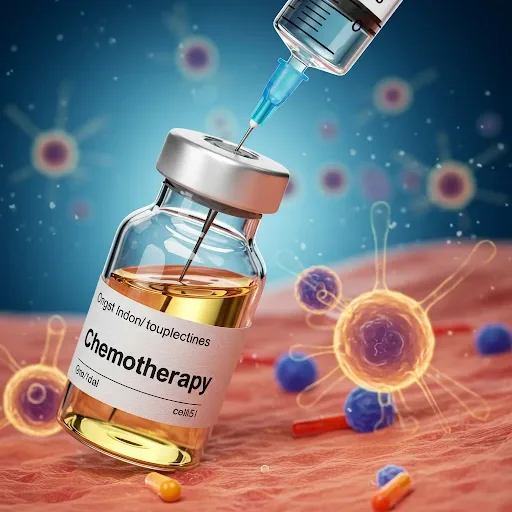
What Is Chemotherapy? The Process, Side Effects, and Post-Treatment Body Care
What is chemotherapy? The process, side effects, and post-treatment body care. Cancer is one of the most serious diseases, requiring intensive treatment. One of the main treatment methods used widely is chemotherapy, a treatment process that uses chemical drugs to kill cancer cells or stop their growth. Although chemotherapy can give patients a chance of a cure or a longer lifespan, it can unavoidably cause side effects on the body. Therefore, understanding the process, side effects, and body care after chemotherapy is extremely important for the patient's recovery and quality of life.
What is chemotherapy? Chemotherapy is a cancer treatment that uses various chemical drugs to destroy cancer cells, which divide rapidly. Chemotherapy drugs can be given in several forms, whether by intravenous injection, orally, or by local injection at certain points on the body. These drugs circulate throughout the body to eliminate cancer cells at multiple sites at the same time.
Goals of chemotherapy To destroy cancer cells that have spread to other parts of the body. To inhibit the growth or spread of cancer cells. To shrink the size of the tumor before surgery or radiation therapy. To relieve symptoms in cases of advanced-stage cancer.
The chemotherapy process
- Physical assessment before treatment Blood tests, checking the function of the liver, kidneys, and blood cells, a general physical examination to assess the patient's strength.
- Administering the chemotherapy drugs Mostly given by intravenous injection, taking anywhere from a few minutes to several hours, done in cycles, with rest periods in between to allow the body to recover between cycles.
- Follow-up The doctor will schedule ongoing physical exams and blood tests to monitor the response to the drugs.
- Side effects of chemotherapy Although effective for treatment, chemotherapy can cause side effects because the drugs also destroy certain healthy cells that divide rapidly as well.
- Common side effects such as nausea, vomiting, hair loss, fatigue, tiring easily, weakened immunity, increased risk of infection, mouth sores, sore throat, loss of appetite, weight loss, diarrhea or constipation, dry skin, easy allergic reactions.
These symptoms usually occur during or after receiving the drugs and improve once the drugs are stopped, but they still need to be closely monitored to prevent complications.
Body care after chemotherapy
- Getting enough rest The body needs time to recover. You should sleep at least 7-9 hours a day, avoid overly strenuous activities, and stop and rest immediately if you feel fatigued.
- Light exercise Although it may seem contradictory, light exercise such as slow walking, yoga, or deep breathing will help stimulate blood circulation, reduce fatigue, and balance the mind.
- Stress management You should find relaxing activities such as reading, listening to music, meditating, or talking with someone you trust, to soothe the mind during treatment.
Nutrition for patients after chemotherapy Proper food will help the body recover faster, reduce side effects, and boost immunity.
Foods that should be eaten
- High protein Chicken breast, fish, tofu, eggs, help repair tissue.
- Complex carbohydrates Brown rice, sweet potato, to increase energy.
- Fruits and vegetables Beetroot, carrots, leafy greens, papaya, rich in antioxidants.
- Healthy fats Olive oil, avocado, flaxseeds.
Foods that should be avoided include raw foods such as raw fish, raw eggs, very oily or heavily spiced food, foods high in sugar, large amounts of alcohol and caffeine.
Protein shakes, an important helper after chemotherapy
Reasons to add a protein shake
- Easy to absorb Suitable for those with a poor appetite or difficulty chewing and swallowing.
- Builds muscle Reduces muscle wasting.
- Increases energy If the shake also contains carbohydrates, it will help speed recovery.
- Boosts immunity The essential amino acids in protein help produce white blood cells.
Tips for choosing a protein shake Choose a type with high-quality protein, such as Whey Protein Isolate, free from sugar or artificial sweeteners. It's even better if it's fortified with B-complex vitamins, vitamin D, and omega-3.
Healthy shake recipe
Banana Oat Shake
Ingredients 1 banana + 1 scoop whey protein + almond milk (amount to taste) + ground oats (about 1/4 – 1/2 cup)
Benefits
- Sustained energy Oats are a source of complex carbohydrates that release energy gradually, keeping you feeling full and energized for longer.
- High protein Whey protein helps build and repair muscle.
- Fiber Both bananas and oats are high in fiber, aiding digestion and helping control blood sugar levels.
- Vitamins and minerals Bananas contain potassium, vitamin B6, and vitamin C; almond milk contains vitamin E and calcium.
- Fullness Oats add thickness to the shake, making you feel fuller.
- Easy to digest Suitable for those who need an easily digestible liquid food.
Although chemotherapy has side effects, it remains one of the necessary and effective treatment methods. Understanding the process, side effects, and proper body care, especially in terms of nutrition, will help patients recover faster, enjoy a good quality of life, and have the strength to fight cancer steadily. Choosing the right food and supplementing correctly with protein shakes is therefore another important strategy that should not be overlooked in restoring health after chemotherapy. At every step of your recovery, Royim protein is here to stand by your side. Our specially formulated protein shakes are designed to boost energy, restore muscle, and help strengthen your body. Let every day of yours be filled with the strength to keep fighting. Choose Royim protein, the right helper for your good health today.