
Blogs
What Is Chemotherapy? The Steps, Side Effects, and How to Take Proper Care of Yourself
What Is Chemotherapy? The Steps, Side Effects, and How to Take Proper Care of Yourself
What is chemotherapy? The steps, side effects, and how to take proper care of yourself. Chemotherapy is one of the most widely used cancer treatment methods among doctors worldwide. It involves using chemical drugs to destroy cancer cells or stop them from dividing in the body. We'll walk readers through the chemotherapy process from start to finish, the side effects that may occur, and how to take proper care of yourself, including using nutrition and protein shakes to help rebuild your strength after treatment.
What is chemotherapy? Chemotherapy is the use of drugs or chemical agents introduced into a patient's body to destroy cancer cells that are growing or dividing rapidly. Chemotherapy drugs can generally be given intravenously, taken orally, or injected into other areas of the body depending on the type of cancer.
The purposes of chemotherapy
Curing cancer completely (Curative Chemotherapy)
- For certain cancers that respond well to chemotherapy, treatment with chemotherapy alone or combined with other treatments such as surgery and radiation therapy aims to eliminate all cancer cells from the body and achieve a complete cure for the patient.
Controlling cancer cell growth (Control of Cancer Growth)
- In cases where cancer cannot be cured completely, chemotherapy plays a role in controlling the division and spread of cancer cells, slowing disease progression and extending the patient's life.
Shrinking tumors before surgery (Neoadjuvant Chemotherapy)
- Chemotherapy given before surgery aims to shrink the size of the tumor, making surgery easier, reducing the extent of the operation, and increasing the chances of completely removing the tumor.
Relieving symptoms in advanced-stage patients (Palliative Chemotherapy)
- In patients with advanced cancer that cannot be cured, chemotherapy may be used to relieve various symptoms caused by the cancer, such as pain or organ compression, in order to improve the patient's quality of life.
The chemotherapy process from start to finish
Diagnosis and treatment planning The doctor will diagnose the stage of the disease, the type of cancer, and the patient's overall health before starting chemotherapy, considering it alongside other treatments such as radiation therapy or surgery.
Preparing before receiving chemotherapy
- Blood tests to assess various values such as white blood cells, red blood cells, and platelets
- Receiving guidance from doctors and nurses about possible side effects
- Preparing mentally and physically, such as getting enough rest and eating soft foods
Administering chemotherapy drugs
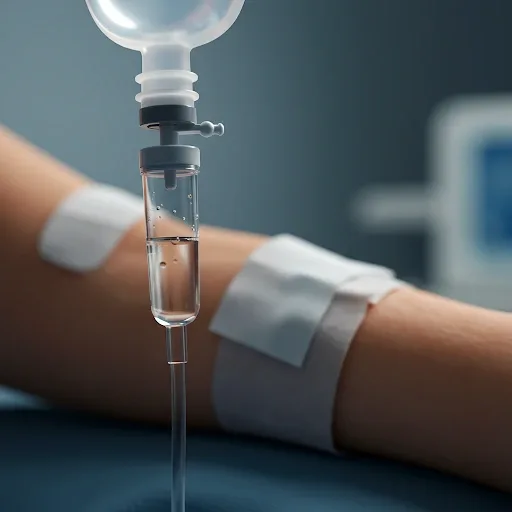
- Intravenous (IV) administration is the most common method
- Oral medication, used for certain types of chemotherapy drugs
- Injection into the abdominal cavity or spinal canal
Monitoring results and assessing response After each round of chemotherapy, the doctor will monitor the results through blood tests or medical imaging to assess how well the body is responding to the drugs and consider whether the treatment needs to be adjusted.
Side effects of chemotherapy Because chemotherapy cannot distinguish between cancer cells and healthy cells in the body, the following side effects may occur:
Common side effects
Nausea and vomiting
- This is a common side effect, as chemotherapy drugs can affect the vomiting control center in the brain and the lining of the digestive tract.
Fatigue and easy exhaustion
- This symptom can result from several factors, such as the drugs' effects on various cells in the body, anemia, or stress from treatment.
Hair loss
- Chemotherapy drugs can inhibit the division of hair follicle cells, causing hair loss across the scalp and possibly body hair as well.
Loss of appetite
- This may result from nausea, changes in taste, or the drugs' effects on the digestive system, leading to reduced appetite.
Diarrhea or constipation
- Chemotherapy drugs may affect intestinal function, causing diarrhea or constipation.
Weakened immunity, higher risk of infection
- Chemotherapy drugs can suppress bone marrow function, which is the source of white blood cells responsible for fighting infection, making patients more susceptible to various infections.
How to cope with side effects
- Eat easy-to-digest foods that are gentle on the digestive system, such as rice porridge, chicken soup, or ripe bananas
- Drink enough water and get sufficient rest
- Consult a doctor if you have a fever or severe abnormal symptoms
Nutrition and self-care after chemotherapy Proper nutrition helps the body recover faster and reduces the chance of severe side effects.
Nutritional principles to follow
- Choose foods that are soft, easy to digest, and high in energy, such as meat soup, steamed egg, or porridge with tender cooked meat
- Increase protein intake, such as fish, chicken, eggs, and soybeans
- Focus on fruits and vegetables that don't irritate the stomach, such as carrots, ivy gourd, and ripe papaya
- Avoid fried, overly fatty, overly spicy, or heavily processed foods
Eating in proper proportions
- 3 main meals plus 2 snacks helps prevent fatigue
- Choose nutritious snacks such as yogurt, bananas, boiled peanuts, or protein shakes
The role of protein shakes in recovering after chemotherapy Protein shakes are a good option for cancer patients who feel fatigued, have lost their appetite, or aren't eating enough.
Benefits of protein shakes
- Supplement the protein needed to repair muscles and cells
- Boost energy for patients who cannot manage regular meals
- Contain added vitamins and minerals to support immunity
How to choose the right protein shake
- Choose a formula that isn't too high in sugar or fat
- Choose a type with a complete amino acid profile, such as whey protein or soy protein
- Choose a formula certified by the Thai FDA that doesn't cause allergic reactions
The best times to drink it
- In the morning after waking up, to provide energy to start the day
- Between main meals, if the patient can only eat small amounts
- After chemotherapy sessions, when the body needs to recover
Chemotherapy is a vital process in cancer treatment. Although it comes with unavoidable side effects, proper self-care—especially good nutrition and supplementing with protein shakes—can help patients recover well and enjoy a better quality of life. If you or someone close to you is undergoing chemotherapy, don't forget to consult a nutritionist or doctor about using protein supplements, and take care of your long-term health with attention and care. At every step of your recovery, Royim Protein is here beside you. Our specially formulated protein shakes are designed to boost energy, help rebuild muscle, and strengthen your body, so every day is filled with the strength to keep fighting. Choose Royim Protein, the right partner for your good health today.