
Blogs
What Is Chemotherapy? Treatment Process, Side Effects, and Nutrition for Faster Recovery
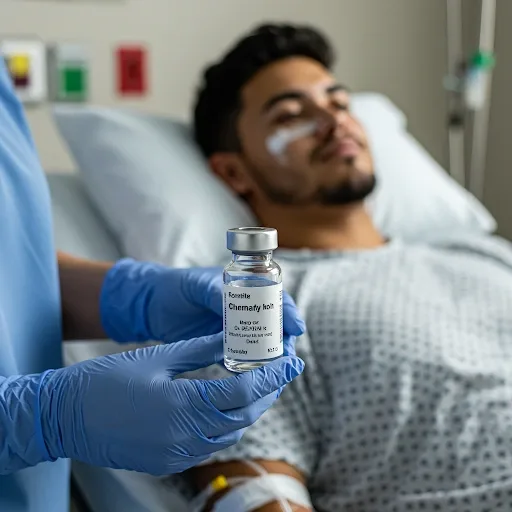
What Is Chemotherapy? Treatment Process, Side Effects, and Nutrition for Faster Recovery
What is chemotherapy? Treatment process, side effects, and nutrition for faster recovery. Cancer treatment with chemotherapy, commonly known as "chemo," is a treatment method that uses chemical drugs to destroy cancer cells. Although chemo is effective in fighting cancer, it comes with a range of side effects. Understanding the treatment process, side effects, and proper nutrition can help patients and caregivers prepare for and manage symptoms appropriately.
What is chemotherapy (chemo)? Chemotherapy (chemo) is cancer treatment that uses chemical drugs to destroy cancer cells or inhibit their growth. It may be used as the primary treatment or combined with other treatments such as radiation therapy and surgery.
How chemo works Chemotherapy drugs work by disrupting the division of cancer cells, which divide faster than normal cells. These drugs damage the DNA of cancer cells, preventing them from continuing to divide, and eventually causing them to die.
Methods of administering chemotherapy Chemotherapy drugs can be given in several ways, depending on the type of cancer, the type of drug, and the patient's physical condition. Common methods of administration include
- Intravenous injection The most common method, where the drug is injected directly into a vein
- Oral administration The drug is swallowed in the form of tablets or liquid medicine
- Intramuscular injection The drug is injected into a muscle
- Intrathecal injection The drug is injected into the spinal canal
- Topical application The drug is applied to the skin
Side effects of chemo Chemotherapy drugs can also damage normal cells, causing a variety of side effects. Common side effects include nausea and vomiting, fatigue and weakness, decreased immunity, loss of appetite, diarrhea or constipation, hair loss, mouth sores, or dry and irritated skin
Self-care during chemotherapy treatment Proper self-care can help reduce side effects and help patients feel better during chemotherapy treatment. Self-care recommendations include eating nutritious food and drinking enough water, getting enough rest, doing light exercise as advised by your doctor, managing stress, and informing your doctor about any side effects that occur
Chemotherapy treatment process Chemotherapy treatment takes many forms depending on the type of cancer, stage of the disease, and the patient's health. It generally consists of the following steps
Treatment planning
- Patient assessment The doctor will assess the patient's overall health, including the type of cancer, stage of the disease, and physical health. Blood tests, X-rays, or other tests may be performed to determine whether the patient's body is ready for treatment
- Determining the treatment plan The doctor will select the appropriate chemotherapy drug and determine the dosage, method of administration, and duration of treatment. The treatment plan will be tailored to each patient's individual needs
Drug administration
- Method of administration Chemotherapy drugs can be given in several ways, such as intravenous injection, oral administration, or intramuscular injection. Administration through a vein is the most common method
- Duration of administration Drug administration may take several hours or several days, depending on the type of drug and the treatment plan. Patients may need to be admitted to the hospital or may be able to receive outpatient treatment
Follow-up
- Monitoring drug effects The doctor will monitor the effects of the drug on cancer cells and the side effects experienced by the patient. Blood tests, imaging tests, or other tests may be performed to track treatment results
- Adjusting the treatment plan If necessary, the doctor will adjust the treatment plan, such as changing the drug, adjusting the dosage, or changing the method of administration. Adjustments to the treatment plan will depend on the treatment results and side effects that occur
Side effects of chemo Chemo can cause a variety of side effects, because these drugs not only destroy cancer cells but may also affect normal cells. Common side effects include
- Nausea and vomiting A common side effect, especially in the first 24-48 hours after treatment. Doctors may prescribe anti-nausea medication to relieve symptoms
- Fatigue and tiring easily Caused by the drug's effect on red blood cells, leaving the body short of oxygen. Patients should get enough rest and do light exercise as advised by their doctor
- Hair loss Chemotherapy drugs may cause hair loss across the whole scalp or in some areas. This symptom usually disappears after treatment is completed
- Low immunity, higher risk of infection Chemotherapy drugs reduce the number of white blood cells, leaving the body weaker and more prone to infection. Patients should avoid contact with people who have infectious diseases and follow their doctor's advice on preventing infection
- Loss of appetite and weight loss Changes in the taste of food and nausea may cause loss of appetite. Patients should eat nutritious food and drink enough water
Nutrition for faster recovery Proper nutrition plays an important role in helping the body recover from the side effects of chemo. Recommended foods include
- High protein such as eggs, fish, chicken, beans, and protein shakes, to help build muscle
- Vegetables and fruits rich in antioxidants and vitamins
- Complex carbohydrates such as brown rice and whole wheat bread, to provide energy
- Healthy fats such as avocado, nuts, and olive oil
The role of protein shakes in body recovery Protein shakes are a good option for patients who can eat only small amounts of food, because
They help reduce muscle breakdown
- High-protein foods Protein helps build up muscles weakened by chemo. Protein-rich food sources include fish, chicken, tofu, beans, and eggs
- Protein shakes For patients with difficulty swallowing or loss of appetite, protein shakes are an easy and convenient food option
Boosting immunity
- Foods rich in vitamins and minerals Vitamins and minerals help strengthen the immune system and help the body recover faster. Food sources rich in vitamins and minerals include fresh vegetables and fruits
Helping increase the body's energy
- Complex carbohydrates Complex carbohydrates provide the body with energy gradually, giving the body longer-lasting energy. Food sources rich in complex carbohydrates include brown rice, whole wheat bread, and sweet potato
- Healthy fats Healthy fats help build cells and the brain, allowing the body to function efficiently. Food sources rich in healthy fats include avocado, nuts, olive oil, and fatty fish such as salmon
Chemotherapy is an effective cancer treatment process, but it comes with side effects that must be faced. Good nutrition, especially protein shakes, can help the body recover faster. Patients should consult their doctor and a nutritionist to choose the nutrition that is right for them. At every step of your recovery, Royim protein is by your side. Our specially formulated protein shakes are designed to boost energy, restore muscle, and help strengthen your body, filling every day with the power to keep fighting. Choose Royim protein, the right partner for your good health today