
Blogs
What Is Radiotherapy? Side Effects You Should Know and How to Care for Your Body After Treatment
What Is Radiotherapy? Side Effects You Should Know and How to Care for Your Body After Treatment
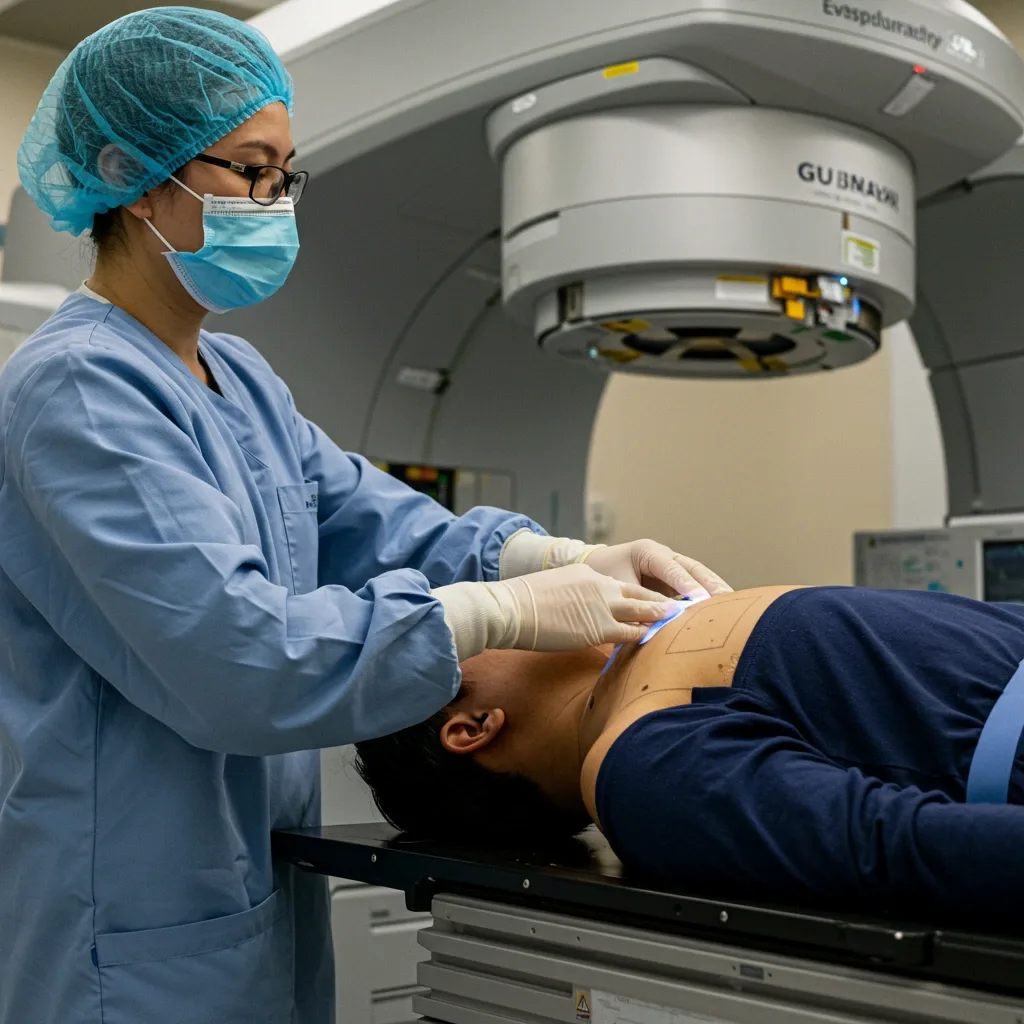
What is radiotherapy, and what side effects should you know about, along with how to care for your body after treatment? Cancer treatment with radiotherapy is a method that uses high-energy radiation to destroy cancer cells. Although radiotherapy is effective at controlling and treating cancer, it can also cause side effects that patients and caregivers should be aware of, so they can prepare and help the body recover well after treatment.
What Is Radiotherapy? Radiotherapy is one of the methods used to treat cancer, using energy from radiation such as X-rays or protons to destroy or inhibit the growth of cancer cells. This method is often used as the primary treatment or combined with other treatments, such as surgery or chemotherapy, to increase the effectiveness of eliminating cancer cells.
Types of Radiotherapy
- External Beam Radiation Therapy (EBRT) uses a radiation-generating machine to deliver energy to the area containing cancer cells. It is used to treat many types of cancer, such as lung cancer, breast cancer, and brain cancer.
- Internal Radiotherapy (Brachytherapy) uses radioactive material placed in small capsules, which are then implanted in the body near the tumor. It is commonly used for cervical cancer, prostate cancer, and breast cancer.
Possible Side Effects of Radiotherapy The side effects of radiotherapy depend on the radiation dose, the treatment site, and the patient's overall health. Commonly seen side effects include the following.
Short-Term Side Effects Although radiotherapy treatment is effective at destroying cancer cells, it can also cause side effects that vary from person to person, depending on the area irradiated, the radiation dose, and the patient's physical condition. Common side effects include the following.
- Inflammation of the skin in the irradiated area The skin may feel burning, become red, or develop blisters. The skin in the irradiated area should be cared for gently, avoiding irritating products and protecting the skin from sunlight.
- Fatigue and tiredness This is the most common side effect. The body needs rest to repair itself, so adequate rest is important.
- Hair loss If the irradiated area is near the head, hair loss may occur.
- Digestive problems such as nausea, loss of appetite, or diarrhea. Eating nutritious, easily digestible food is recommended.
Long-Term Side Effects Radiotherapy treatment carries risks to surrounding tissues and organs, as well as effects on the hormonal system, and may increase the risk of developing other types of cancer in the future. The details are as follows.
- Risk to surrounding tissues and organs Radiotherapy may affect tissues and organs near the treatment site, such as the lungs, heart, or brain, which can cause damage or long-term complications. This risk depends on the radiation dose, the irradiated site, and the patient's physical condition.
- Hormonal changes In cases where the thyroid gland or ovaries are treated, radiation may cause changes in hormone levels, affecting the body's functions and the patient's quality of life. Patients may experience symptoms such as fatigue, weight changes, or reproductive system problems.
- Risk of developing other cancers in the future In some cases involving high radiation doses, the risk of developing other types of cancer in the future may increase. This risk usually occurs over the long term and depends on the radiation dose and the irradiated area.
How to Prepare Before Radiotherapy Preparing before undergoing radiotherapy is very important, as it can help reduce side effects and increase the effectiveness of treatment.
- Consult your doctor about the treatment process Understand the treatment plan, possible side effects, and ways to relieve symptoms. Ask your doctor about medications or supplements that can help ease symptoms.
- Maintain good nutrition Eat high-protein foods such as fish, eggs, beans, and protein shakes to help keep the body strong and repair cells. Avoid processed foods, foods high in sugar, and alcohol. Drink enough water to prevent dehydration.
- Exercise lightly Walking or yoga can help build strength and reduce stress. Consult your doctor about the type and frequency of exercise suitable for your physical condition.
- Take care of your mental health Meditation and talking with a psychologist can help reduce anxiety about treatment. Join a cancer patient support group to share experiences and receive encouragement from others.
- Skin care Gently clean the skin in the irradiated area. Avoid using irritating products. Protect the skin from sunlight by using sunscreen with a high SPF and wearing clothing that covers the skin.
- Oral care Brush your teeth and rinse your mouth with a mild saline solution regularly. Avoid foods that irritate the mouth, such as spicy or hard foods.
- Managing fatigue Get enough rest and take naps during the day if you feel tired. Manage your time and energy appropriately, and avoid activities that require a lot of physical effort.
Foods and Protein Shakes That Help Repair Cells Good nutrition plays an important role in helping the body recover after radiotherapy, especially nutrients that help repair cells and boost immunity.
Foods That Help Repair Cells and Reduce Side Effects
- High-quality protein Good sources of protein, such as fish, eggs, beans, and protein shakes, help repair tissue and build muscle.
- Vitamins and minerals Vitamin C (from oranges, guava, and bell peppers) helps boost immunity. Vitamin D (from salmon, egg yolks, and sunlight) helps strengthen bones and reduce fatigue. Zinc (from beans, pumpkin seeds, and oysters) helps speed up the cell-repair process.
- Healthy fats Avocado, olive oil, and fatty fish help reduce inflammation and support heart health.
How Do Protein Shakes Help the Body Recover After Radiotherapy? Protein shakes are an important aid for patients who can eat only small amounts of food or have problems absorbing nutrients. They can help in the following ways.
- Rebuild damaged tissue from the effects of radiation.
- Provide sufficient energy to reduce fatigue and help keep the body strong.
- Boost immunity to prevent infection and help the body recover more quickly.
Radiotherapy is an effective method of treating cancer, but it can also cause side effects to the body. Preparing before treatment and maintaining good nutrition after treatment are very important. Eating high-protein foods, along with the necessary vitamins and minerals, as well as drinking protein shakes, can help reduce side effects and build up a stronger, healthier body. If you or someone close to you is undergoing radiotherapy treatment, you should consult a doctor and a nutritionist to choose the health-care plan that is right for you. At every step of recovery, Royim protein is here beside you. Our specially formulated protein shakes are designed to boost energy, restore muscle, and help strengthen your body, filling every day with the strength to keep fighting. Choose Royim protein, the right partner for your good health today.