
Blogs
What Is the Relationship Between White Blood Cells and Fermented Foods?
What Is the Relationship Between White Blood Cells and Fermented Foods?
What is the relationship between white blood cells and fermented foods? Good health starts with a strong gut, and did you know that the gut is closely linked to the body's immune system? In fact, over 70% of the body's immune cells reside in the gut. One key factor that helps the immune system work well is fermented foods, which are full of beneficial microorganisms (probiotics) that have a direct effect on how white blood cells function.
What are white blood cells, and why do they matter for immunity? White Blood Cells (WBC) are cells in the body responsible for fighting pathogens such as bacteria, viruses, or other foreign invaders that enter the body. They act as soldiers protecting us from falling ill easily. There are several types of white blood cells, such as
- Neutrophils, which deal with bacterial infections
- Lymphocytes, which build long-term immunity, such as antibodies
- Monocytes, which help clear away foreign substances
- Eosinophils, which protect against parasites and allergic reactions
When white blood cell counts drop (as in patients after chemotherapy or those with weakened immunity), the body becomes prone to infection, wounds heal slowly, and fatigue becomes frequent.
So how are white blood cells connected to the gut? The human gut is home to trillions of tiny organisms known as gut microbiota. These include both beneficial and harmful microorganisms. When beneficial microorganisms are abundant, the body's immunity is strong. But when harmful ones increase, the body becomes weaker, inflammation occurs, and immunity declines. Scientists have found that
- Beneficial microorganisms help stimulate the bone marrow to produce more white blood cells
- They also help train white blood cells in how to fight pathogens
- And they help reduce inflammation within the body
Therefore, gut health has a direct effect on the strength of white blood cells.
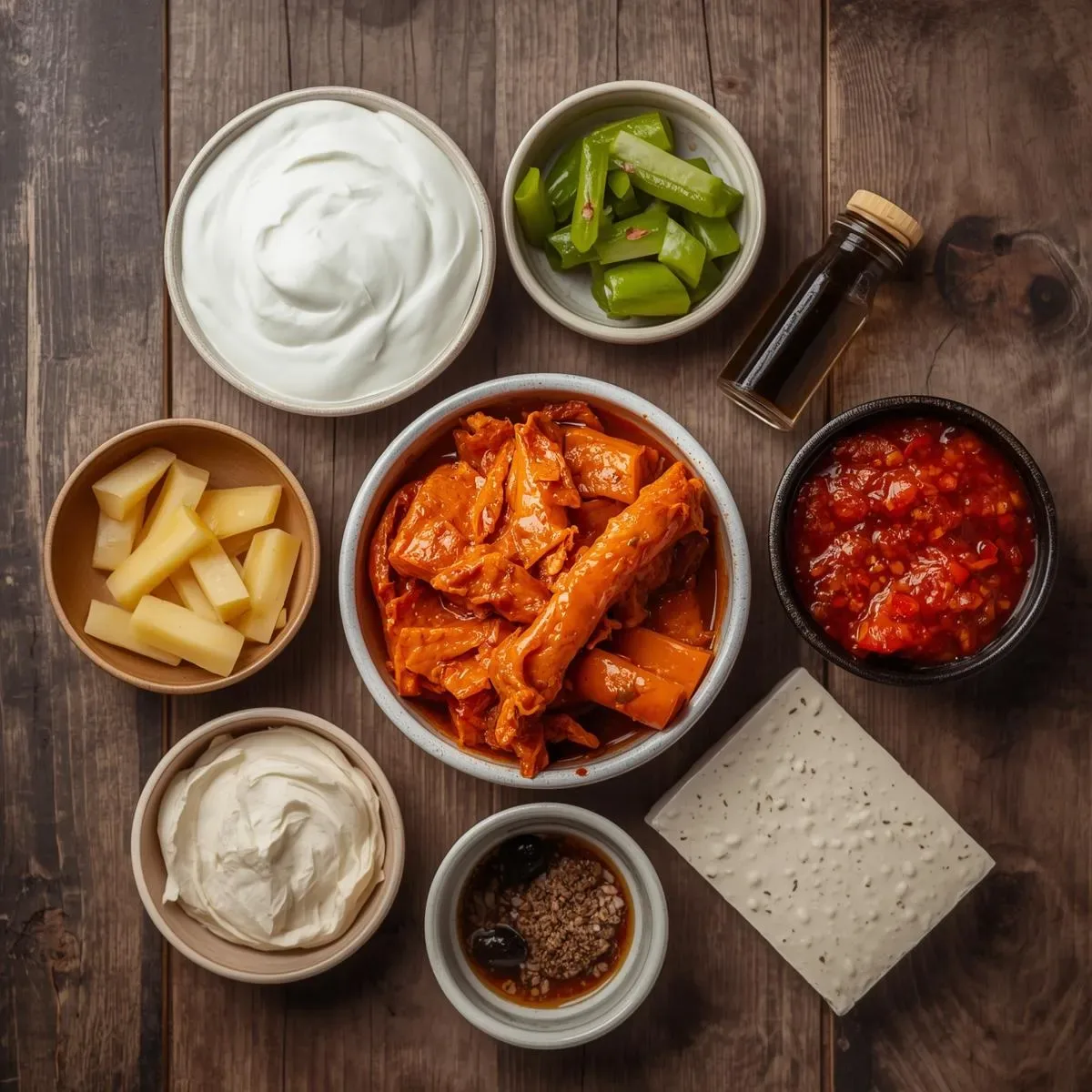
What are fermented foods, and why do they matter? Fermented foods are foods that undergo fermentation by microorganisms such as Lactobacillus or yeast, producing a sour taste, a distinctive aroma, and beneficial microorganisms that are good for the body. Well-known examples of fermented foods include
- Yogurt
- Kimchi
- Miso
- Naturally pickled vegetables (without preservatives)
- Fermented vinegar
- Fermented soybean paste or tempeh
These foods are rich in probiotics that help balance the gut, and when the digestive system works well, white blood cells can perform their function at full efficiency.
The mechanism by which fermented foods support white blood cells When we eat fermented foods regularly, the beneficial microorganisms in these foods multiply in the gut, which benefits the body in several ways, such as
- Stimulating immune production: Probiotics stimulate the immune cells in the gut lining to function better, allowing white blood cells to respond to pathogens more quickly
- Reducing inflammation in the body: Chronic inflammation undermines immunity. Fermented foods help balance the gut and reduce inflammatory substances, preventing white blood cells from overworking unnecessarily
- Improving nutrient absorption: The body can better absorb vitamins such as vitamin B12, iron, and zinc, which are important nutrients for producing white blood cells
- Reducing the risk of gut-related infections: When beneficial microorganisms are strong, they help suppress pathogens in the gut, such as E. coli or Salmonella, which are causes of recurring infections in patients with low immunity
Who should eat fermented foods to support white blood cells?
- Patients currently undergoing cancer treatment or chemotherapy
- Elderly people whose immunity is beginning to decline
- People who get infections often, such as catching colds easily or having slow-healing wounds
- People who regularly take antibiotics (since these medications kill both good and bad bacteria in the gut)
- People experiencing constipation or irregular bowel movements
Eating fermented foods regularly, such as yogurt, kefir, or kimchi, in a moderate amount of 1–2 servings a day, can help strengthen the immune system.
Precautions when eating fermented foods Although fermented foods offer benefits, there are some points to be cautious about, especially for patients with chronic illness or cancer.
- Do not eat in excess, as some varieties are high in sodium, such as kimchi or pickled vegetables, which may cause the body to swell or put strain on the kidneys
- Choose naturally fermented varieties that are free of preservatives or MSG
- If your immune system is severely weakened, consult a doctor first, as certain microorganisms may cause infection in cases where immunity is very low
Tips for strengthening white blood cells every day Besides fermented foods, there are other factors that help the body produce white blood cells more effectively, such as
- Getting enough sleep (6–8 hours a day)
- Drinking enough clean water (1.5–2 liters a day)
- Eating a balanced diet across all five food groups, especially quality protein
- Engaging in light exercise to stimulate blood circulation
- Avoiding stress, as stress suppresses the function of white blood cells
Why does protein matter for producing white blood cells? White blood cells are a type of protein that the body builds from amino acids. Therefore, if the body lacks protein, it cannot produce enough white blood cells. This is especially true for cancer patients or those undergoing chemotherapy, whose bodies require more protein than usual to repair cells and strengthen immunity.
Boost with quality protein from Royim Protein For patients who can eat only small amounts, have lost their appetite, or have poor gut function, supplementing with protein from an easily absorbed and safe source is a good option.
The cancer patient protein product from Royim Protein is specially designed to help
- Support the production of white blood cells and red blood cells
- Help the body recover after chemotherapy or radiation therapy
- Absorb easily without causing bloating
- Provide energy without adding excess sugar
- Be safe for cancer patients and the elderly
How to take it
- Mix 1 scoop of protein (about 20 grams) into 150–200 ml of room-temperature or cold water
- Drink 1–2 times a day, after breakfast or before bed
- Can be mixed into fruit juice or soy milk as preferred
When taken consistently every day, it helps ensure the body has enough amino acids to produce white blood cells, leading to better immunity, less fatigue, and greater resistance to infection.
White blood cells and the gut share a deep connection. Fermented foods rich in beneficial microorganisms help balance the gut, allowing the body to produce white blood cells more effectively, strengthen immunity, and reduce the risk of infection. At every step of recovery, Royim Protein stands by your side. Our specially formulated protein shake is designed to boost energy, restore muscle, and help strengthen your body, filling every day of yours with the strength to fight on. Choose Royim Protein, the right partner, for your good health today.