
Blogs
What Should Cancer Patients Eat After Chemotherapy? A Nutrition Guide to Recovery
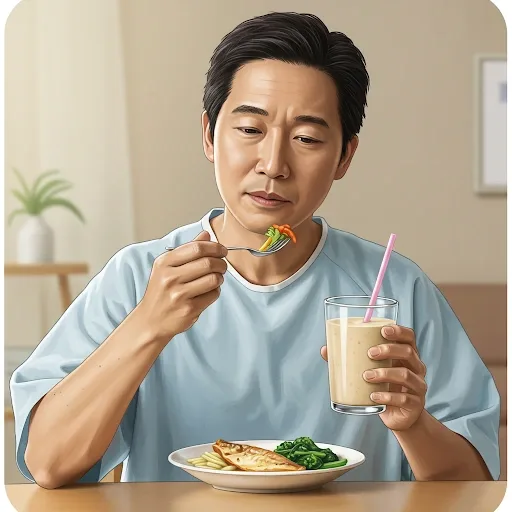
What Should Cancer Patients Eat After Chemotherapy? A Nutrition Guide to Recovery
What should cancer patients eat after chemotherapy? A nutrition guide to recovery. Chemotherapy is one of the most widely used treatments for cancer, aimed at destroying rapidly growing cancer cells. However, while chemotherapy helps stop the spread of cancer cells, it also brings a considerable number of side effects to the patient's body, such as nausea, vomiting, loss of appetite, diarrhea, and severe fatigue. For this reason, nutritional care after chemotherapy plays an extremely important role in helping the body recover its strength, reducing side effects, and boosting the immune system's effectiveness.
The importance of nutrition after chemotherapy
Repairing damaged cells
- Chemotherapy also affects healthy cells in the body, such as those in the digestive system and blood cells. Consuming foods rich in vitamins, minerals, and protein therefore helps repair damaged cells effectively
Boosting immunity
- Cancer patients who have undergone chemotherapy often have weakened immunity, putting them at risk of various infections. The right foods help stimulate the immune system's function
Reducing side effects
- Choosing appropriate foods helps reduce nausea, loss of appetite, diarrhea, and fatigue, which are common side effects
Types of foods suitable after chemotherapy
Soft, easy-to-digest foods
- Brown rice porridge
- Chicken soup with pumpkin or bone broth
- Steamed egg tofu
- Ripe bananas, baked apples, mashed sweet potato
- Boiled or soft-boiled eggs. These foods help reduce irritation to the digestive system and are suitable for patients experiencing nausea or loss of appetite
High-protein foods to help rebuild muscle
- Skinless chicken breast
- White fish, such as tilapia or Spanish mackerel
- Eggs
- Soybeans, tofu
- Cow's milk or alternative milks, such as almond or soy milk fortified with protein. Protein helps repair tissue and rebuild muscle that has broken down due to chemotherapy
High-energy foods that are also healthy
- Brown rice
- Sweet potato, taro, pumpkin
- Whole grains, such as oats and chia seeds
- Olive oil, avocado, nuts. These foods provide the body with energy, help reduce fatigue, and support the function of internal organs
Fresh fruits and vegetables rich in antioxidants
- Blueberries, guava, oranges, bananas
- Spinach, carrots, broccoli
- Tomatoes, cucumbers. Vitamins A, C, E, and flavonoids help boost immunity and reduce cell inflammation
The role of protein shakes in the body's recovery
What is a protein shake? A protein shake is a high-protein drink, such as whey protein from milk, soy, or other legumes, designed to be easily absorbed and provide complete nutrition. It is suitable for patients who can eat only small amounts of food, or who are in a recovery period
Benefits of protein shakes
Rebuilding muscle lost from chemotherapy
- Chemotherapy can cause loss of muscle mass. Protein shakes are a source of protein that is easy to digest and absorb, helping to build and restore weakened muscles
Boosting energy without burdening the digestive system
- Protein shakes can provide the body with the energy it needs without placing much burden on the digestive system, which is beneficial for those experiencing nausea, loss of appetite, or difficulty digesting food
Reducing fatigue and loss of appetite
- Getting sufficient protein and nutrients from a protein shake may help reduce fatigue and stimulate appetite
Helping maintain a stable body weight and reduce malnutrition
- For those who have lost significant weight or are at risk of malnutrition, protein shakes are a convenient and quick way to increase protein and calorie intake, helping maintain body weight and prevent essential nutrient deficiencies
Adding key nutrients
- Some protein shake formulas are fortified with essential vitamins and minerals, such as vitamin B12, folate, and iron, which are important for the function of various systems in the body and for blood cell production
How to choose the right protein shake
- Choose a type with no added sugar or high saturated fat
- Use high-quality protein, such as whey protein isolate or natural plant-based protein
- Choose one fortified with essential vitamins and minerals, such as vitamin D, vitamin C, zinc, and calcium
How to drink protein shakes for the best results
- Drink after waking up or after a meal to boost energy
- Mix with milk or fruit juice, such as banana, yogurt, or honey, to add flavor and nutritional value
- Drink 1-2 glasses a day as recommended by your doctor or nutritionist
Sample one-day meal plan for post-chemotherapy patients
Morning
- Fish rice porridge + soft-boiled egg
- Mixed fruit smoothie (guava + apple + carrot)
- 1 glass of protein shake
Midday
- Brown rice + clear chicken tom yum + blanched vegetables with fish sauce
- 1 banana
Afternoon
- Plain yogurt + chia seeds + a little honey
Evening
- Brown rice + egg tofu soup with pumpkin + chicken breast salad with tomato
- 1 glass of protein shake
Nutrition after chemotherapy plays a vital role in helping cancer patients recover quickly and enjoy a better quality of life. Choosing foods that are soft, easy to digest, and high in energy and protein is a key strategy that helps repair cells, build muscle, and reduce the side effects of chemotherapy. In addition, protein shakes are an excellent supplement for patients who cannot eat enough, or who have specific nutritional needs, helping the body regain its strength and fight the disease effectively. If you or someone you love is undergoing cancer treatment, guidance from a doctor and nutritionist, together with choosing the right foods, is the key to sustainable health care. At every step of recovery, Royim Protein is here beside you. Our specially formulated protein shake is designed to boost energy, rebuild muscle, and help your body grow stronger, filling every day with the strength to keep fighting. Choose Royim Protein, the right partner for your good health today