
Blogs
What Should You Eat After Chemotherapy? Supplements to Restore the Body for Cancer Patients
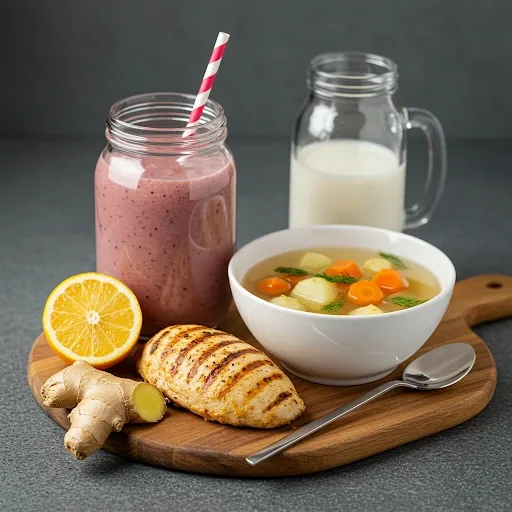
What Should You Eat After Chemotherapy? Supplements to Restore the Body for Cancer Patients
What should you eat after chemotherapy? Supplements to restore the body for cancer patients. Chemotherapy (Chemo) is one of the most widely used treatments for cancer, focused on destroying rapidly growing cancer cells in the body. However, side effects of chemo — such as nausea, vomiting, loss of appetite, weight loss, and fatigue — can significantly affect a patient's quality of life. Choosing the right foods therefore plays an important role in restoring the body, boosting energy, strengthening immunity, and repairing damaged muscle tissue. We will take a deep dive into proper nutrition after chemotherapy, including protein shakes as an important supplement option for cancer patients.
The importance of nutrition after chemotherapy After chemotherapy treatment, the body is left in a weakened state and needs nutrients to repair the cells that have been affected. Nutrition is therefore a key factor in helping the body regain strength, especially for patients who have difficulty eating — such as loss of appetite or mouth sores. Choosing the right foods helps patients recover faster, reduces the risk of infection, and helps them carry out daily activities more comfortably.
Recommended food groups for patients after chemo Foods that are easy to digest and gentle on the stomach
- Rice porridge, clear soup, or soft brown rice
- Cooked vegetables, such as carrots, pumpkin, and broccoli
- Ripe fruits that are not highly acidic, such as bananas, papaya, and baked apples
- Steamed egg custard or thoroughly hard-boiled eggs
High-protein foods
- Fish, such as salmon, mackerel, and tilapia, which contain healthy fats and are easy to digest
- Tofu and soy products
- Skinless chicken boiled until well-cooked and finely shredded
- Plant-based proteins, such as quinoa and lentils
Complex carbohydrates
- Brown rice, oats, sweet potatoes, and whole grains
- Whole grains rich in fiber help support healthy digestion
Healthy fats
- Olive oil and canola oil
- Avocado, flaxseeds, and various nuts
Foods rich in vitamins and minerals
- Dark leafy greens, such as kale, ivy gourd, and spinach
- Fruits high in vitamin C, such as guava, papaya, and kiwi
- Freshly squeezed juices with no added sugar
Foods and drinks to avoid
- Foods high in saturated fat, such as fried foods and processed foods. These foods can be hard to digest, increase the risk of nausea, and offer little nutritional value.
- Foods high in sugar, such as sweets and soft drinks. These foods provide empty calories, may affect blood sugar levels, and can also cause fatigue after eating.
- Alcohol and excessive caffeine Alcohol may interact with certain medications and irritate the digestive tract, while too much caffeine can cause insomnia and increase feelings of fatigue.
- Raw foods, such as raw fish and raw eggs. These foods may harbor bacteria or parasites, which can be dangerous for patients whose immune systems have been weakened by treatment.
Protein shakes: an important supplementary option for cancer patients after chemo A protein shake is a drink rich in high-quality protein, designed to help fill in nutritional gaps — especially for patients who have lost their appetite or can only eat small amounts. Protein shakes are therefore an excellent tool for helping the body recover.
Benefits of protein shakes
- Builds and repairs muscle Chemotherapy can cause muscle loss and weakness. Protein shakes provide a source of protein that is easy to digest and absorb, helping to repair and strengthen muscles.
- Helps reduce fatigue Chemotherapy treatment often causes fatigue. Getting enough protein and energy from a protein shake can help the body recover and reduce feelings of tiredness.
- Helps maintain body weight and muscle mass Patients undergoing chemotherapy often have difficulty eating. Protein shakes are a convenient way to increase protein and calorie intake, helping maintain body weight and prevent muscle loss.
- Helps ensure complete nutrition even when eating little During periods of poor appetite or side effects from treatment, protein shakes can serve as a source of protein and other essential nutrients, ensuring patients still receive adequate nutrition for their body's needs.
- Helps strengthen the immune system Protein plays a key role in producing white blood cells and antibodies, which are essential components of the immune system. Getting enough protein helps the immune system function better and fight off infection.
How to choose a protein shake suited to cancer patients
- Plant-based protein for those allergic to milk Choosing a protein shake made from plant sources, such as soy protein or pea protein, is a good option for patients who cannot consume dairy products due to allergies or lactose intolerance
- Avoid high sugar and synthetic additives Choosing a formula that is low in sugar or sugar-free, and avoiding excessive synthetic additives, helps reduce the risk of impact on blood sugar levels and lessens the burden on the body of eliminating unnecessary chemicals
- Formulas fortified with vitamins and minerals Consider choosing a protein shake fortified with essential vitamins and minerals, such as vitamin B12, vitamin D, zinc, and iron, which may be beneficial in supporting the immune system and overall body function — needs that are often increased in cancer patients
- Consult a specialist before starting The most important advice is to consult the treating physician or a nutritionist experienced in caring for cancer patients, in order to assess each patient's protein and nutritional needs and choose the type of protein shake best suited to their health condition and treatment plan
Techniques for getting complete nutrition
- Divide meals into small portions Eating small amounts frequently (5-6 meals a day) can help reduce nausea and bloating, which are side effects of treatment, and can also stimulate appetite better than eating just a few large meals
- Add supplements to snack times Adding a protein shake or fruit smoothie during snack time is a good way to increase protein, vitamin, and mineral intake, especially on days when the patient can only eat small amounts of their main meals
- Make food appealing to eat Arranging food to look colorful and smell appetizing can help stimulate the patient's appetite
- Drink enough water Drinking an adequate amount of water, especially plain water or mild tea, helps maintain fluid balance in the body, prevents dehydration, and may help reduce nausea
Additional advice from experts
- Patients should see a doctor or nutritionist regularly to monitor their health and adjust their nutrition plan as needed
- Light exercise, such as slow walking or yoga, can help stimulate digestion and reduce fatigue
- Having a caregiver or family member help prepare meals can give the patient the emotional strength to recover
Proper nutrition after chemotherapy plays a vital role in restoring the body, reducing side effects, and strengthening the immune system. Foods that are gentle, easy to digest, and rich in nutrients — especially protein — help patients regain their strength more quickly. Protein shakes are therefore a safe and suitable supplementary option for those who can only eat small amounts. That said, patients should consult a healthcare professional before starting any supplement to ensure it is suitable for their body and individual treatment plan. Choosing the right food is the key to healing from within, and the strength that helps patients get through their treatment journey with quality of life. At every step of your recovery, Royim Protein is here beside you. Our specially formulated protein shake is designed to boost energy, restore muscle, and help your body grow stronger — filling every day with the strength to keep fighting. Choose Royim Protein, the right partner for your health, today.