
Blogs
What to Eat After Chemotherapy? 5 Easy-to-Digest Menus Cancer Patients Shouldn't Overlook
What to Eat After Chemotherapy? 5 Easy-to-Digest Menus Cancer Patients Shouldn't Overlook
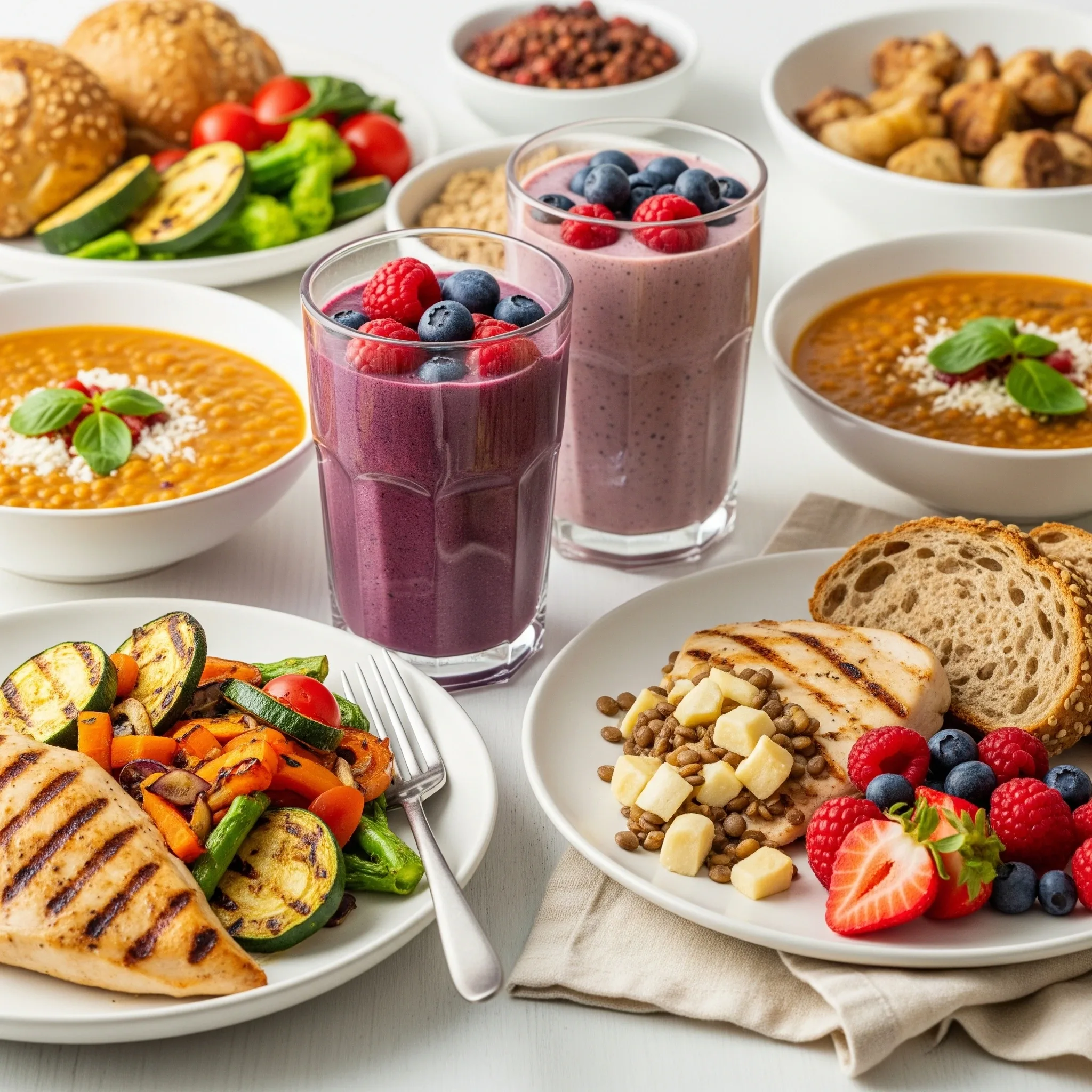
What to eat after chemotherapy? 5 easy-to-digest menus cancer patients shouldn't overlook. Chemotherapy is one of the most widely used cancer treatments, but it comes with side effects that significantly affect patients' quality of life — especially on the digestive system, causing loss of appetite, nausea, vomiting, irregular bowel movements, and even weight loss and muscle weakness. Nutrition therefore plays a crucial role in helping the body recover after chemotherapy. A question patients often ask is: what should I eat after chemo? The answer is food that is easy to digest, high in protein, calorie-sufficient, and unlikely to trigger nausea. Adding a protein shake can also help top up energy on days when appetite is low or chewing is difficult. Let's take a closer look at 5 easy-to-digest menus suited for cancer patients after chemotherapy, along with the nutrients needed to restore blood cell counts, boost immunity, and increase the body's energy.
1. Chicken and winter melon soup A soft food rich in protein. Chicken is an excellent low-fat protein source for cancer patients, especially in soup form, which is easy to digest and gentle on the stomach. Winter melon helps relieve internal heat and provides a little dietary fiber.
- Key nutrients Protein, vitamin B6, collagen, potassium
- How to serve Use finely minced chicken, simmered until tender for easy digestion; avoid strong spices
2. Mackerel congee A source of omega-3 and high-quality protein. Mackerel is not only easy to digest but also contains omega-3 fatty acids that help reduce inflammation in the body, making it suitable for patients who have just finished chemotherapy.
- Key nutrients Protein, omega-3, vitamin D, calcium
- How to serve Use soft, well-cooked jasmine rice, skip the fried garlic to avoid trans fats, and choose fresh fish without a strong smell
3. Soft tofu with shiitake mushroom sauce Easy-to-digest plant-based protein. Tofu is a plant-based protein source suited to patients who are lactose intolerant or don't want to eat meat. Shiitake mushrooms contain beta-glucan, which helps strengthen immunity.
- Key nutrients Plant protein, calcium, beta-glucan, vitamin B2
- How to serve Use soft tofu or egg tofu, steamed and topped with a light mushroom sauce; avoid high-sodium sauces such as salty soy sauce
4. Steamed egg custard Easily absorbed protein. Eggs contain a complete set of amino acids, and steaming produces a soft texture suited to patients who have trouble chewing and swallowing.
- Key nutrients High-quality protein, vitamin A, D, B12, selenium
- How to serve Beat the eggs with a little fresh milk, and add crab meat or minced chicken without heavy seasoning
5. A specially formulated protein shake An option when appetite is low. Many patients after chemotherapy struggle with loss of appetite, making it hard to get enough energy and protein. A protein shake is therefore a suitable solution, as it delivers nutrients in an easy-to-drink form that requires no chewing.
- Key nutrients Whey protein, BCAA, multivitamins, fiber, iron
- How to serve Drink after waking up or during the day when feeling weak; choose a sugar-free formula with B-complex vitamins to support blood cell production
The role of key nutrients after chemotherapy
- Protein Helps repair muscle and tissue, and supports the recovery of white blood cells
- Vitamin B and iron Essential for red blood cell production, reducing anemia
- Soluble fiber Balances the digestive system, reducing constipation caused by medication
- Healthy fats (omega-3) Reduce inflammation and help cells function better
Nutrition tips for patients after chemotherapy
- Eat small, frequent meals Rather than trying to eat large meals, dividing food into 5-6 small meals a day helps the body receive nutrients continuously without feeling overly full or bloated
- Choose soft, easy-to-digest food Food with a soft texture that is easy to digest reduces the workload on the digestive system. Good choices include soup, steamed egg, and congee, which provide the necessary energy and nutrients
- Drink enough clean water Preventing dehydration is important. Drink enough clean water, at least 6-8 glasses a day (about 1.5–2 liters), to help the body function normally and eliminate waste
- Avoid very spicy, oily, or fried food These foods may trigger nausea and vomiting, or make the digestive system work harder. Therefore, avoid strongly flavored, oily, or fried food to keep the body as comfortable as possible
- Add a protein shake during periods of low appetite Protein is essential for repairing and restoring the body. If loss of appetite makes it impossible to eat regular meals, drinking a protein shake is a good alternative, as it is an easy-to-digest protein source that provides high energy and helps boost energy levels during times of weakness
Nutritional care after chemotherapy isn't just about eating to feel full — it's about choosing foods that help the body recover effectively. The 5 easy-to-digest, nutrient-rich menus above are excellent choices, especially during periods when patients still feel low on appetite or tire easily. Adding a protein shake helps restore patients' strength, allows them to eat more, and may improve their response to treatment. Recovering from cancer isn't just about medication — proper food and nutrition are another important driving force toward living a strong life once again. At every step of recovery, Royim Protein stands by your side. Our specially formulated protein shake is designed to boost energy, restore muscle, and help strengthen the body, filling every day with the strength to keep fighting. Choose Royim Protein, the right partner for your good health today.