
Blogs
What to Eat After Chemotherapy: 7 Doctor-Recommended Meals + No-Chew Protein Alternatives
What to Eat After Chemotherapy: 7 Doctor-Recommended Meals + No-Chew Protein Alternatives
What to eat after chemotherapy: 7 doctor-recommended meals + no-chew protein alternatives. Cancer treatment with chemotherapy is a process that takes a significant toll on the body, affecting immunity, the digestive system, and energy levels. Many cancer patients experience loss of appetite, nausea, weakness, and weight loss after chemotherapy sessions. A common question is, what should you eat after chemotherapy? The answer isn't just about choosing energy-giving foods, but also foods that are easy to digest, non-irritating, and supportive of the body's cell recovery. Let us introduce you to 7 meals recommended by doctors and nutritionists, along with a no-chew protein shake alternative suited for days when patients simply cannot manage regular food.
Key nutrients cancer patients need after chemotherapy
- Protein plays a vital role in repairing tissue damaged by chemotherapy drugs, restoring the immune system to full function, and supporting the production of new blood cells, which is essential for the body's recovery.
- Energy from complex carbohydrates and healthy fats The body needs a continuous supply of energy for recovery. This should come from good sources such as complex carbohydrates (brown rice, whole grains) and healthy fats (avocado, deep-sea fish) to reduce fatigue and provide reserve energy.
- Vitamins and minerals These nutrients are essential for various biochemical processes in the body, especially vitamin B, vitamin C, vitamin E, iron, and zinc, which help build new cells, boost immunity, and reduce inflammation.
- Water Drinking enough water is extremely important to prevent dehydration, which is a common side effect of chemotherapy drugs. Water also helps flush toxins from the body and maintain the balance of various systems.
7 meals doctors recommend for patients after chemotherapy
- Bone Broth Bone broth simmered for 8-12 hours provides complete nutrition, rich in collagen, calcium, magnesium, and amino acids. It helps restore the digestive system, boosts immunity, and provides sustained energy. Suitable for those experiencing nausea or loss of appetite.
- Rice porridge with stewed chicken Rice porridge is an easy-to-digest source of carbohydrates that provides immediate energy, while stewed chicken is a lean, easy-to-digest protein source with a mild flavor. Adding ginger and shiitake mushrooms helps fight inflammation, adds aroma, and stimulates appetite.
- Clear fish soup congee Sea fish such as Spanish mackerel, mackerel, or tilapia are sources of protein and omega-3, which help reduce inflammation. Adding finely chopped pumpkin or carrot boosts fiber and beta-carotene.
- Soft steamed egg Eggs are a high-quality, easy-to-digest protein source. They can be steamed with soy milk or vegetable broth for added flavor, and finely chopped vegetables such as spinach or carrots can be added for extra nutritional value.
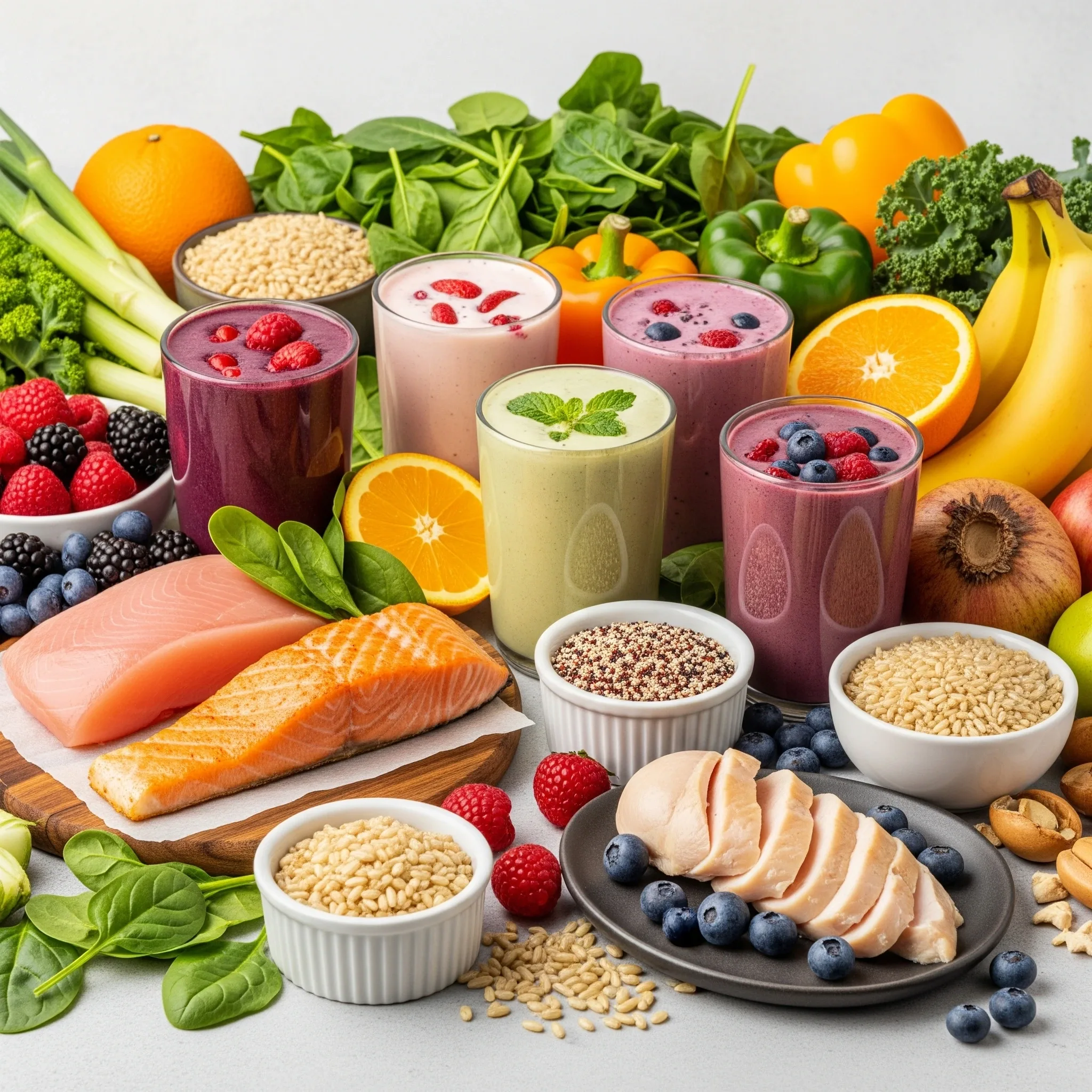
- Mixed fruit smoothie + protein Use fruits such as banana, berries, and green apple, blended with plain yogurt, almond milk, or white tofu until smooth. Add a sugar-free protein shake or whey isolate to help patients get protein without needing to chew, reducing the burden on the digestive system.
- Lentil Soup Lentils provide plant-based protein, fiber, vitamin B, and iron. Suitable for those allergic to cow's milk or animal protein. Boil together with vegetables such as carrot, celery, and potato, and add a little olive oil for healthy fat.
- Steamed sweet potato + coconut oil Sweet potato is a complex carbohydrate that provides high energy and fiber, suitable for those whose digestive system is starting to recover. Serve with virgin coconut oil to add healthy fat and fat-soluble vitamins.
An additional option: no-chew protein shakes When patients are unable to eat solid food or have lost their appetite, using a protein shake is an important aid, especially on days with nausea or fatigue. A suitable protein shake should have the following characteristics:
- No sugar or artificial sweeteners
- No gluten and no inflammation-triggering ingredients such as hydrolyzed whey or plant protein from peas or brown rice
- Contains vitamins B12, D, E, C, and iron
- Contains essential amino acids such as L-glutamine, which helps repair the intestines and boost immunity
The best times to drink a protein shake
- After waking up to replenish nutrients lost during sleep
- Before bed to support cell repair while sleeping
- During the day if unable to eat regular meals
Precautions when choosing a protein shake
- Avoid formulas high in sugar Choose a protein shake with no more than 5 grams of sugar per serving, as excess sugar can trigger inflammation and harm health.
- Be cautious with cow's milk protein If the patient experiences bloating or a milk allergy, avoid protein shakes made from cow's milk and consider plant-based protein instead.
- Consult a doctor or nutritionist For safety and to ensure you receive nutrients suited to your body's condition, always consult a doctor or nutritionist before starting regular use of a protein shake.
Tips to boost appetite in patients after chemotherapy
- Divide food into small meals Instead of eating 3 large meals, divide food into 5-6 small meals per day. This makes it easier for patients to eat and prevents them from feeling full too quickly.
- Eat when you feel hungry Don't wait for regular mealtimes — eat as soon as you feel hungry, because appetite may only come in short bursts.
- Use mild, pleasant food aromas Aroma can stimulate appetite. Try preparing food with mild, pleasant scents, such as dishes containing ginger or basil.
- Eat in a relaxed atmosphere Eating in a comfortable, stress-free atmosphere — such as with soft music playing or together with loved ones — helps patients feel more like eating.
The question of what to eat after chemotherapy doesn't have a single answer that suits everyone, because each patient has different symptoms and needs. However, choosing foods that are easy to digest, high in energy, and rich in nutrients — especially protein — is at the heart of the body's recovery after chemotherapy. Supplementing with a protein shake on days when patients cannot eat regular food is another effective and safe option, helping the body have the energy to fight cancer and recover faster. If you or someone you love is going through cancer treatment, don't forget to pay attention to nutrition alongside treatment, because food is the power of recovery. In every step of your recovery, Royim Protein is here beside you. Our specially formulated protein shake is designed to boost energy, restore muscle, and help strengthen your body, filling every day with the power to fight. Choose Royim Protein as the right partner for your health today.